 Bali
Bali Amsterdam
 Barcelona
 London
 Paris
Paris Rome
Rome Dubai
Dubai Istanbul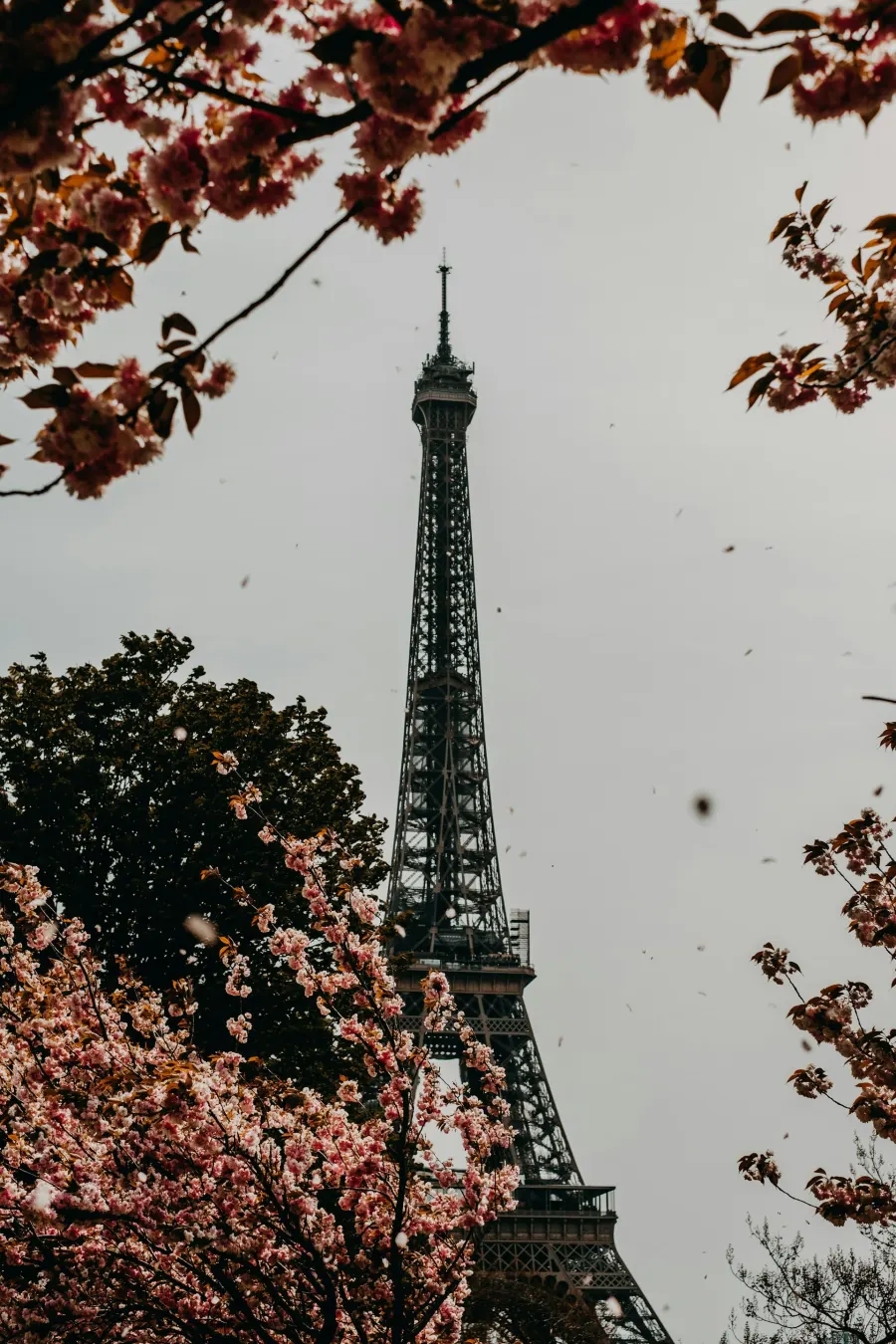
The best time to visit Paris is late April to early June, or September to mid-October. In those windows you get mild weather (roughly 14–22°C / 57–72°F), long usable days, café terraces in full swing and noticeably shorter queues than in July and August. Summer is lively but crowded and can be hot; winter is cold and grey but cheaper, quieter and very atmospheric around the holidays. Below is a month-by-month breakdown so you can match the city to your priorities.
Paris by season at a glance
Paris has a temperate climate: rarely brutal, often changeable. Rain can arrive in any month, usually as short showers rather than all-day downpours, so a compact umbrella earns its place in every season. The bigger variables are crowds, daylight and price.
- Spring (March–May): Chestnut trees and tulips in the Tuileries and Luxembourg Gardens, cool mornings, gradually rising prices. March can still feel wintry; May is close to ideal.
- Summer (June–August): Daylight until around 10pm, outdoor events, picnics along the Seine. Also peak visitor numbers, the longest queues and occasional heatwaves in older buildings without air conditioning.
- Autumn (September–November): Parisians return from holiday, the cultural season restarts and the light turns golden. September often feels like a second summer; November is damp and dark but quiet.
- Winter (December–February): Short days, temperatures hovering a few degrees above freezing, festive lights in December, then the calmest (and usually cheapest) weeks of the year in January and February.
Month-by-month guide to Paris
Temperatures below are typical daytime ranges, not guarantees. Crowd levels refer to the main sights such as the Eiffel Tower, Louvre and Sacré-Cœur.
| Month | Typical daytime temps | Crowds | Why go (or not) |
|---|---|---|---|
| January | 3–8°C / 37–46°F | Low | Winter sales (soldes), easy museum entry, lower hotel rates. Grey skies and short days. |
| February | 4–9°C / 39–48°F | Low–Medium | Still quiet, though European school holidays bring families mid-month. Fashion Week can push up hotel prices. |
| March | 6–13°C / 43–55°F | Medium | First blossoms, cafés reopening terraces. Weather swings between spring and winter. |
| April | 8–16°C / 46–61°F | Medium–High | Gardens in bloom, lovely walking weather. Easter weekend is busy. |
| May | 11–20°C / 52–68°F | High | Arguably the best all-round month. Several public holidays mean some closures and local crowds. |
| June | 14–23°C / 57–73°F | High | Longest days, Fête de la Musique on 21 June with free music all over the city. Book ahead. |
| July | 16–25°C / 61–77°F | Very high | Bastille Day on 14 July (parade and fireworks). Peak queues; heatwaves possible. |
| August | 16–25°C / 61–77°F | High (tourists), low (locals) | Many Parisians leave; some small restaurants and shops close for a few weeks. Main sights remain packed. |
| September | 13–21°C / 55–70°F | Medium–High | Warm, golden and energetic as the city returns to work. Excellent choice. Fashion Week late in the month. |
| October | 9–16°C / 48–61°F | Medium | Autumn colour in the parks, Nuit Blanche arts night (usually early October). More rain. |
| November | 6–11°C / 43–52°F | Low | Quiet, damp and good value. Ideal if museums are your main interest. |
| December | 4–8°C / 39–46°F | Medium (spikes at Christmas) | Christmas markets and window displays at the grand department stores. Busy between Christmas and New Year. |
Best time for specific trips
First-time visitors
Aim for mid-May to mid-June or the first three weeks of September. The weather lets you walk everywhere, gardens are at their best and you can comfortably combine indoor and outdoor sights. Book timed tickets for the big attractions in advance regardless; these months are popular, not empty.
Museum lovers
November, January and February are your months. Galleries are calmer and you will spend less time shuffling past the Mona Lisa. Remember that the Louvre is closed on Tuesdays, and several other major museums close on Mondays, so plan your days around that. A guided Louvre tour with skip-the-line entry is worth it any time of year, but especially from April to October.
Couples and romantic breaks
Late spring and early autumn give you warm evenings for walking the Seine at sunset without summer crowds. December is a strong alternative if you like twinkling lights and don’t mind wrapping up. An evening on the water, such as a Seine river dinner cruise, works in every season because the boats are heated and glass-covered.
Travellers on a budget
January to early March and November usually offer the lowest hotel rates and the most flight deals. Avoid Fashion Week dates and major trade fairs, which can inflate prices even in the off-season. Check event calendars before you commit.
Families
Summer is the obvious choice with school holidays, but expect queues and heat. If you can travel in late June or early September, you’ll get similar weather with fewer people. Parks such as the Jardin du Luxembourg (with its pond and toy sailboats) and the Jardin d’Acclimatation are good breaks from sightseeing.
What to pack for each season
- Spring and autumn: Layers you can add and remove, a light waterproof jacket, comfortable closed shoes and a scarf. Mornings can be surprisingly cool.
- Summer: Breathable clothing, sun protection and a refillable water bottle (Paris has plenty of free public drinking fountains). Bring a light cover-up for churches.
- Winter: A warm coat, waterproof shoes, gloves and a hat, especially if you’re going up the Eiffel Tower, where the wind at the top can be bitter.
- All year: Good walking shoes. Paris is best explored on foot, and many metro stations involve plenty of stairs.
Crowd strategy: how to beat the queues in any month
Choosing the right month helps, but timing within the day matters just as much. The busiest hours at the major sights tend to be late morning to mid-afternoon. A few rules of thumb:
- Book timed entry in advance. For the Eiffel Tower, Louvre, Sainte-Chapelle and Musée d’Orsay, a pre-booked time slot is the single biggest time-saver.
- Go early or late. First slot of the day or the last couple of hours before closing are generally calmer. Some museums have one or two late-opening evenings a week; check the official site for current days.
- Consider a hosted or guided entry. For the Eiffel Tower in particular, the summit level has limited capacity and can sell out on busy days. A summit ticket with hosted entry means someone handles the logistics while you enjoy the views.
- Watch the weather. The Eiffel Tower summit can close temporarily in high winds or storms, so keep a flexible day in your plan if the top matters to you.
Quick tips
- May and September are the sweet spots for weather, atmosphere and manageable crowds.
- Check French public holidays before booking; some attractions change hours or close.
- In August, look up small restaurants before you go, as some close for the annual holiday.
- Book summit access and major museum slots at least a couple of weeks ahead in peak season.
- Carry a small umbrella year-round; Paris showers are frequent but usually brief.
- Get a feel for neighbourhoods and top sights on our Paris destination page.
Frequently asked questions
What is the cheapest month to visit Paris?
January and February are usually the cheapest months for hotels and flights, with November a close contender. Prices can still rise around Fashion Week and large trade fairs, so compare a few date options before booking.
Is August a bad time to visit Paris?
Not bad, but different. Many locals go on holiday, so some independent restaurants and shops close, while the main attractions stay busy with visitors. The upside is a more relaxed feel on the streets and events like the summer riverside beaches.
How many days do you need in Paris?
Three to four full days lets you see the major landmarks, one or two big museums and a couple of neighbourhoods at a comfortable pace. With five or more days you can add a day trip, such as Versailles or Giverny.
Is Paris worth visiting in winter?
Yes, if you dress warmly and focus on museums, cafés and food. December has festive decorations and markets, while January and February are the quietest months at the big sights. Just expect short days, with darkness falling around 5pm.
Whenever you decide to go, the easiest way to make the most of your time is to lock in the headline experiences first. Start with the view everyone comes for: reserve your Eiffel Tower summit access with hosted entry and build the rest of your Paris trip around it.