 Bali
Bali Amsterdam
 Barcelona
 London
 Paris
Paris Rome
Rome Dubai
Dubai Istanbul
The best 10-day Europe itinerary for first-timers is three cities: London (3 days), Paris (3 days) and Rome (4 days). London and Paris are linked by a roughly 2.5-hour Eurostar train through the Channel Tunnel, and Paris to Rome is a short flight of about two hours. That gives you three of the world’s great capitals, one big travel day between each, and enough time in each city to see the landmarks without sprinting. If you’d rather travel entirely by train, swap Rome for Amsterdam; we cover that variation below.
Why this route works
First trips to Europe often go wrong in one of two ways: too many cities, or too much time in transit. Five countries in ten days sounds exciting, but you’ll spend a third of it on trains and in stations. Three bases is the sweet spot.
- Easy connections: One train and one short flight. No overnight journeys, no tight connections.
- Big variety: Royal history and pubs in London, art and cafés in Paris, ancient ruins and trattorias in Rome.
- Flexible bookends: Fly into London and out of Rome (an “open-jaw” ticket) so you never backtrack. It’s often priced similarly to a return flight.
The 10-day itinerary at a glance
| Day | Base | Plan |
|---|---|---|
| 1 | London | Arrive, check in, easy walk along the South Bank |
| 2 | London | Tower of London, Tower Bridge, Borough Market, St Paul’s |
| 3 | London | Westminster, Buckingham Palace, a major museum; or a day trip |
| 4 | London → Paris | Morning Eurostar, afternoon in the Marais, evening by the Seine |
| 5 | Paris | Louvre in the morning, Tuileries, Eiffel Tower at sunset |
| 6 | Paris | Montmartre, Musée d’Orsay, Latin Quarter; or Versailles |
| 7 | Paris → Rome | Flight to Rome, evening in Trastevere |
| 8 | Rome | Colosseum, Roman Forum, Palatine Hill |
| 9 | Rome | Vatican Museums, Sistine Chapel, St Peter’s Basilica |
| 10 | Rome | Pantheon, Trevi Fountain, Spanish Steps; depart |
Days 1–3: London
Land, drop your bags and resist the urge to cram. On Day 1, walk the South Bank from Westminster Bridge towards Tower Bridge. It’s a perfect jet-lag cure, with views of Big Ben, the London Eye and St Paul’s across the river.
Day 2 is for history. Start at the Tower of London as early as possible; the Crown Jewels draw long queues as the day goes on. An early-access Tower of London and Crown Jewels tour gets you in ahead of the crowds. Walk across Tower Bridge afterwards, have lunch at Borough Market, and finish at St Paul’s Cathedral or the Tate Modern.
Day 3 has two good options. Stay in town for Westminster Abbey, Buckingham Palace (check the Changing the Guard schedule, which doesn’t run daily) and one of London’s big museums, many of which are free to enter. Or head into the countryside on a Stonehenge, Windsor Castle and Bath day trip, a long but rewarding day that shows you a side of England you won’t see in the capital.
Days 4–6: Paris
Take a morning Eurostar on Day 4. Arrive at the St Pancras terminal well ahead of departure, as passport and security checks happen before boarding; the operator’s recommended check-in time is the one to follow. You’ll pull into Paris Gare du Nord in time for lunch. Spend the afternoon in the Marais, with its small squares, boutiques and falafel spots, then walk to the Seine for the evening.
Day 5 is the big one. The Louvre in the morning (it’s closed on Tuesdays, so plan accordingly), then a stroll through the Tuileries and along the river to the Eiffel Tower. Time your visit for late afternoon to catch the city at golden hour. Summit slots sell out in busy months, so book an Eiffel Tower summit ticket before you leave home.
Day 6: explore Montmartre early before the crowds reach Sacré-Cœur, then head to the Musée d’Orsay for the Impressionists, and end with dinner in the Latin Quarter. If palaces appeal more than paintings, swap the afternoon for Versailles, about 40 minutes away by train.
Days 7–10: Rome
Fly to Rome on Day 7. Flights are short, and both of Rome’s airports have direct train or bus connections into the city. Settle in and spend the evening in Trastevere, the cobbled neighbourhood across the river with some of the city’s most enjoyable restaurants.
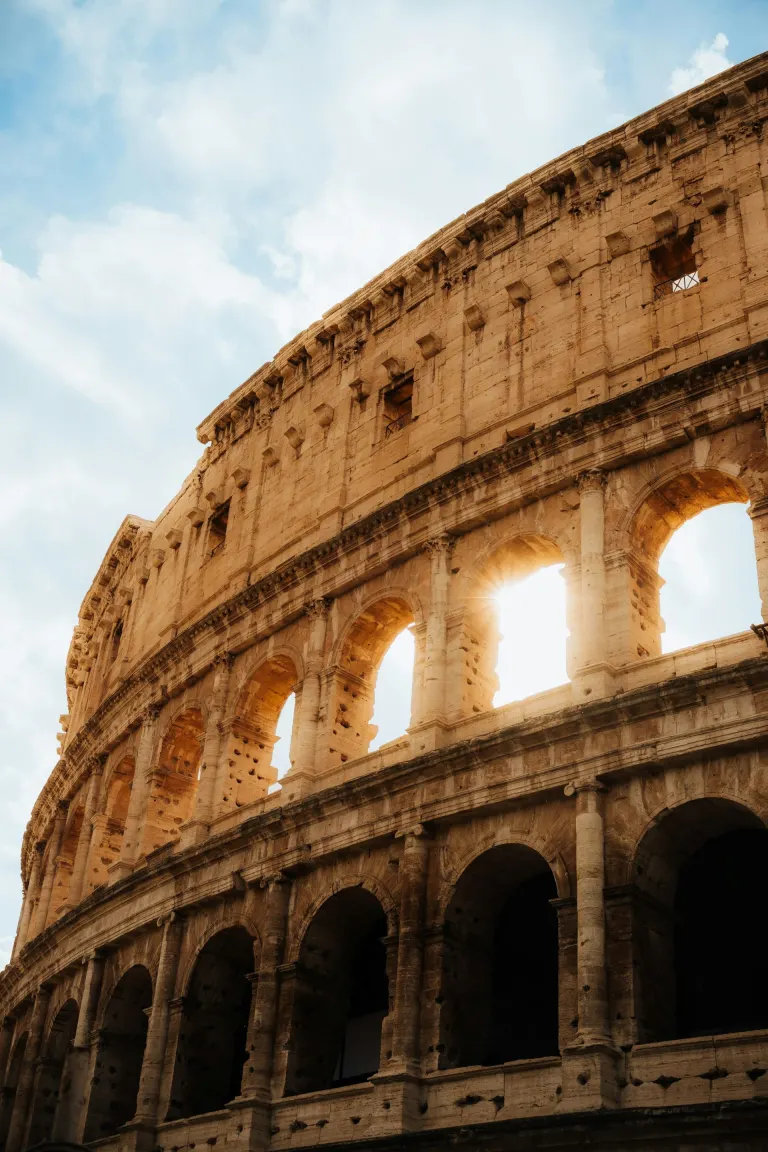
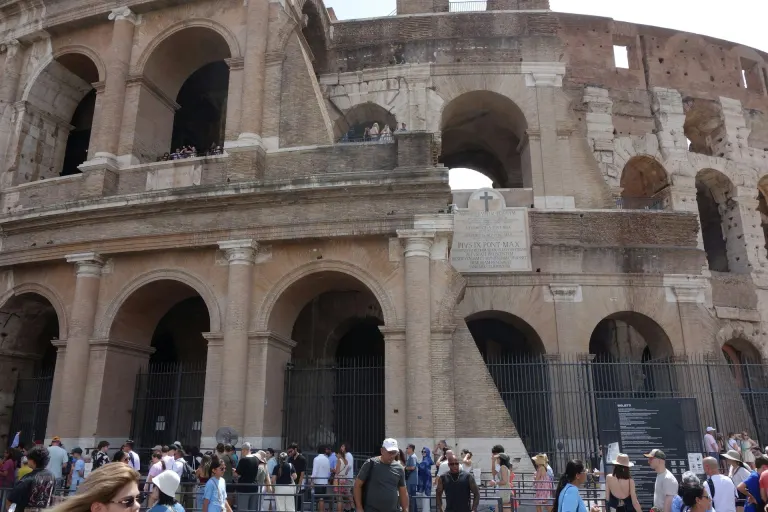
Day 8 is ancient Rome. Tickets for the Colosseum are timed and usually include the Roman Forum and Palatine Hill. A guided Colosseum, Forum and Palatine tour turns a hot, confusing site into a vivid story. Go early to avoid the midday heat.
Day 9: the Vatican. The Vatican Museums are enormous and the Sistine Chapel is at the end of a long route, so a small-group guided tour saves time and adds a lot of context. Cover shoulders and knees; dress codes apply in St Peter’s Basilica.
Day 10: wander the historic centre on foot. The Pantheon, Piazza Navona, the Trevi Fountain (tradition says throwing a coin guarantees your return) and the Spanish Steps are all within a relaxed walk of each other. Allow plenty of time to reach the airport.
Variation: the all-train route with Amsterdam
Prefer not to fly? Swap Rome for Amsterdam: London (3 days) → Paris (4 days) → Amsterdam (3 days). Paris to Amsterdam is a direct high-speed train of roughly 3.5 hours. Amsterdam is compact and walkable, and an evening canal cruise is the best introduction to the city. The Anne Frank House sells tickets online only, typically released a few weeks in advance, so book as soon as they’re available.
Budget and logistics
- Entry requirements: The UK is outside the EU’s Schengen area, so check the rules for both. Many nationalities now need a UK Electronic Travel Authorisation (ETA), and the EU is introducing its own ETIAS authorisation and Entry/Exit System. Check official government sites for your passport before booking.
- Currencies: Pounds sterling in the UK, euros in France, Italy and the Netherlands. Contactless cards work almost everywhere.
- Transport within cities: London’s Tube and buses accept contactless payment directly. Paris and Rome have good metro systems; walking is often faster in central Rome.
- Book ahead: Eurostar fares generally rise as departure approaches, and the headline attractions sell out in peak season.
- When to go: Late April to early June and September to mid-October offer the best balance of weather and crowds. See our guide to the best time to visit on the Paris destination page.
Quick tips
- Book an open-jaw flight (into London, out of Rome) to avoid backtracking.
- Schedule one major museum per day, max. Museum fatigue is real.
- Pre-book the Tower of London, Eiffel Tower, Colosseum and Vatican before you fly.
- Pack comfortable walking shoes; you’ll likely walk 15,000+ steps a day.
- Keep an eye on pickpockets on busy metro lines and at major sights.
- Leave a few unplanned hours in each city; wandering is half the magic.
Frequently asked questions
Is 10 days enough for Europe?
Ten days is enough for a satisfying first taste if you limit yourself to two or three cities. Trying to see more usually means more time in transit and less time actually enjoying where you are.
Should I travel between cities by train or plane?
For London to Paris, the Eurostar is the clear winner: city centre to city centre in about 2.5 hours. For Paris to Rome, flying is far faster than the train. Paris to Amsterdam is best by high-speed train.
What is the best order for London, Paris and Rome?
Either direction works. Many travellers find it easier to start in London (no language barrier, easy airport transfers) and finish in Rome, where the relaxed pace and food make a great ending.
How much should I budget for 10 days in Europe?
It varies hugely with hotel choice and travel style. London and Paris are among Europe’s pricier cities for accommodation; Rome is often a little more affordable. Price your hotels first, as they usually make up the largest share of the budget.
The quickest way to turn this plan into a trip is to lock in the timed tickets first. Start with the Tower of London and Crown Jewels early-access tour, and if you’d like more time in Italy, take a look at our 7-day Italy highlights package.