 Bali
Bali Amsterdam
 Barcelona
 London
 Paris
Paris Rome
Rome Dubai
Dubai Istanbul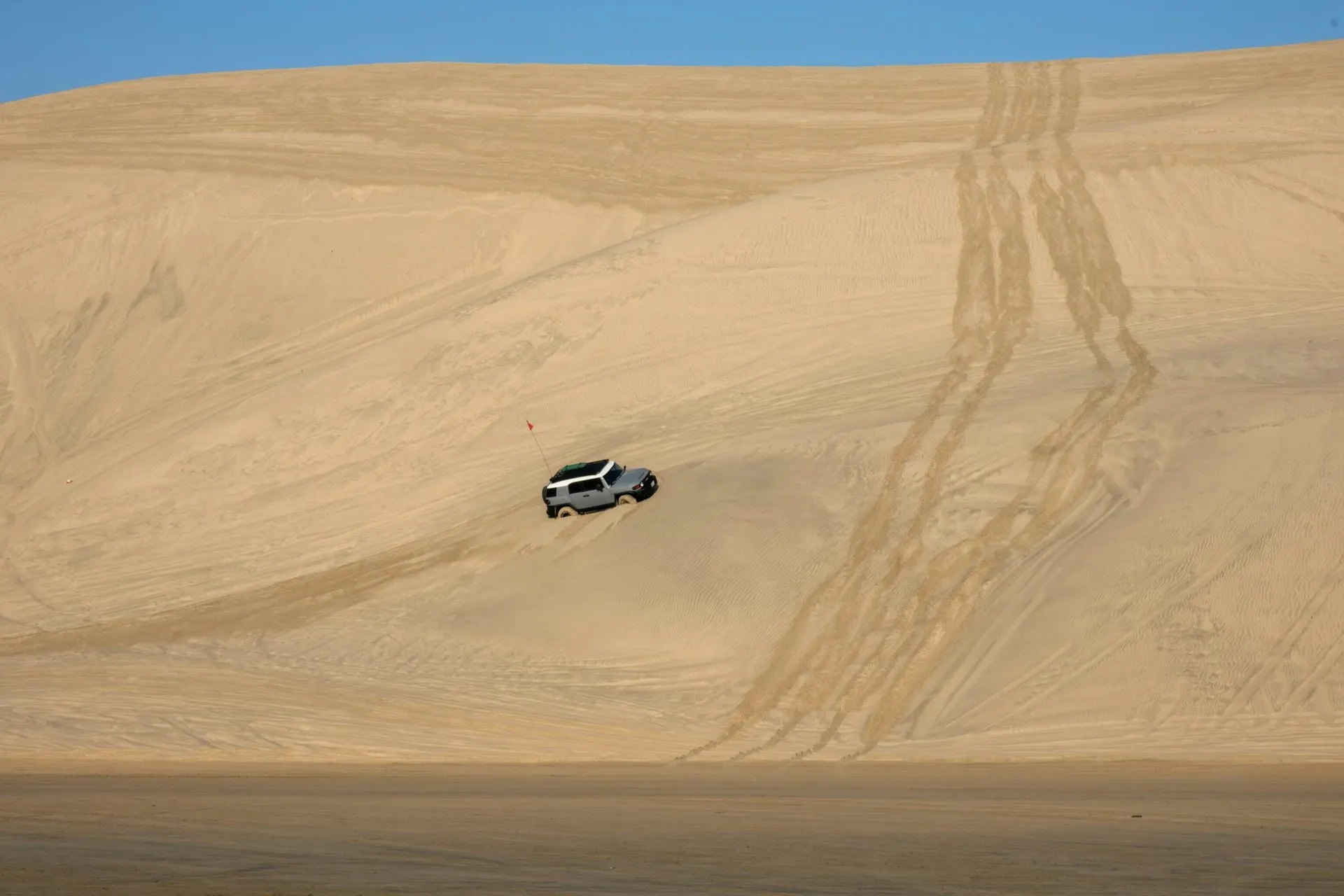
A classic Dubai desert safari is a half-day trip, usually in the afternoon and evening, that combines 4×4 dune driving, sandboarding, a short camel ride and sunset over the dunes, followed by a barbecue dinner and live shows at a desert camp. Hotel pickup is typically mid-afternoon and you’re back in the city by around 9–10pm. The best months are November to March, when evenings in the desert are pleasantly cool. When choosing a safari, the things that matter most are group size, the quality of the camp, how the dune driving is handled and what’s genuinely included.
A typical evening safari, hour by hour
Timings vary by operator and season (pickup is earlier in winter, when the sun sets sooner), but most evening safaris follow this rhythm:
- Afternoon pickup (around 2:30–4pm): A driver collects you from your hotel or a nearby meeting point in a 4×4, usually shared with a few other travellers. The drive out of the city takes about 45–60 minutes.
- Stop at the desert edge: The driver lets some air out of the tyres for better grip in the sand. This is a good moment for a comfort break and photos.
- Dune driving (roughly 30–45 minutes): The famous “dune bashing”: an experienced driver takes the 4×4 up, along and down the dunes. It’s a thrill, a bit like a slow rollercoaster.
- Sunset stop: Most safaris pause on a high dune for sunset photos. Sandboarding usually happens here.
- Camp arrival: A short camel ride (often just a few minutes), henna painting, Arabic coffee and dates, and time to try on traditional dress for photos.
- Dinner and shows: A buffet-style barbecue with grilled meats, salads, rice and vegetarian dishes, followed by entertainment such as a tanoura (spinning) dance, fire show and belly dancing.
- Return (around 9–10pm): Drop-off at your hotel.
A good example of this format is the Red Dunes Desert Safari with BBQ Dinner and Shows, which covers the full afternoon-to-evening experience.
Types of desert safari compared
The evening safari is the most popular, but it isn’t the only option. Here is how the main formats compare. Prices vary widely by operator and inclusions, so use this as a guide to the trade-offs rather than a price list.
| Safari type | Duration | What’s special | Best for |
|---|---|---|---|
| Evening safari with BBQ | About 6 hours | Dunes, sunset, camp dinner and shows in one trip | First-timers, couples, groups of friends |
| Morning safari | 3–4 hours | Cooler temperatures, softer light, fewer people; usually no dinner or shows | Photographers, active travellers, those with evening plans |
| Overnight safari | Overnight, into the next morning | Stargazing, a night in a desert camp, sunrise over the sand | Travellers wanting a slower, more immersive experience |
| Premium or private safari | Varies | Private vehicle, smaller or quieter camp, upgraded dining | Families, special occasions, travellers who dislike crowds |
| Dune buggy or quad bike add-on | 30–60 minutes extra | You drive yourself on a guided trail | Adrenaline seekers; licence and age rules may apply |
How to choose a good desert safari
Hundreds of operators run safaris out of Dubai, and quality varies. These are the questions that separate a memorable evening from a crowded conveyor belt:
How big is the camp?
Some camps host hundreds of guests at a time, others far fewer. Larger camps are more lively; smaller ones feel more authentic and less rushed. Look for clear information on the camp setting, or ask.
Is the dune driving done responsibly?
Drivers should be licensed and experienced, vehicles should have working seat belts and roll cages, and the driver should be willing to take it gentler if you ask. You can always request a calmer ride.
What exactly is included?
Check whether pickup is from your hotel or a shared meeting point, whether soft drinks are unlimited, if sandboarding and the camel ride are included, and whether quad bikes, photos and alcoholic drinks cost extra. Transparent listings save arguments later.
Where does it go?
Many safaris head to the red dunes southeast of the city, known for their deep orange colour at sunset. Some operators run safaris inside protected conservation areas, which follow stricter rules and tend to have fewer vehicles. Either can be excellent.
Best time of year for a desert safari
| Months | Conditions | Verdict |
|---|---|---|
| November–March | Warm days, cool to chilly desert evenings | Ideal. Bring a light jacket for after sunset. |
| April and October | Hot afternoons, pleasant evenings | Good, especially for evening safaris. |
| May–September | Very hot, often above 40°C / 104°F in the day | Doable in the evening or early morning, but tiring. Hydrate well. |
During Ramadan (dates shift each year with the lunar calendar), safaris usually still run, but live dance performances are often paused and alcohol service may be limited. Dinner is typically served after sunset.
What to wear and bring
- Clothing: Light, comfortable, modest clothes that cover shoulders and knees are a sensible choice. Sand gets everywhere, so skip anything you’d hate to get dusty.
- Shoes: Sandals or trainers you can easily slip off. Many people go barefoot on the sand.
- Warm layer: In winter, the desert cools fast after sunset.
- Sun protection: Sunglasses, sunscreen and a hat for the afternoon portion.
- Cash: Handy for optional extras, photos or tips, though many camps accept cards.
- Phone protection: A zip-lock bag keeps fine sand out of your camera and phone.
Who should skip the dune driving
Dune bashing is bumpy. Operators generally advise against it for pregnant travellers, people with back or neck problems or heart conditions, and very young children. If that’s you, you can often ride directly to the camp in a calmer transfer and still enjoy the sunset, dinner and shows. Mention it when you book. If you’re prone to motion sickness, sit in the front seat, eat lightly beforehand and tell your driver.
Quick tips
- Book November to March for the most comfortable weather.
- Eat a light lunch before an evening safari; dune driving on a full stomach is no fun.
- Ask for a gentle drive if anyone in your group is nervous; good drivers will adapt.
- Keep valuables to a minimum and protect your phone from sand.
- Confirm pickup time and location the day before.
- Explore more of the city on our Dubai destination page.
Frequently asked questions
Is a Dubai desert safari safe?
With a reputable operator, yes. Choose licensed operators with well-maintained 4x4s, wear your seat belt and follow the driver’s instructions. If you have health concerns, skip the dune driving and join at the camp.
Are desert safaris suitable for children?
Most camps welcome families, and kids tend to love the camels and sandboarding. Operators usually set minimum ages for dune driving and quad bikes, so check the rules for your chosen tour before booking.
Is food on a desert safari suitable for vegetarians?
Generally, yes. BBQ buffets usually include salads, rice, bread, hummus and vegetable dishes alongside grilled meats. If you have allergies or strict dietary needs, tell the operator when you book.
Morning or evening safari: which is better?
The evening safari is the all-in-one experience with sunset, dinner and shows. The morning safari is cooler, shorter and quieter, and better for photography. If you only do one, most first-timers prefer the evening.
Ready for sand, sunset and a starlit dinner? Book the Red Dunes Desert Safari with BBQ Dinner and Shows, or make the desert part of a bigger trip with our 5-day Dubai City and Desert Escape.